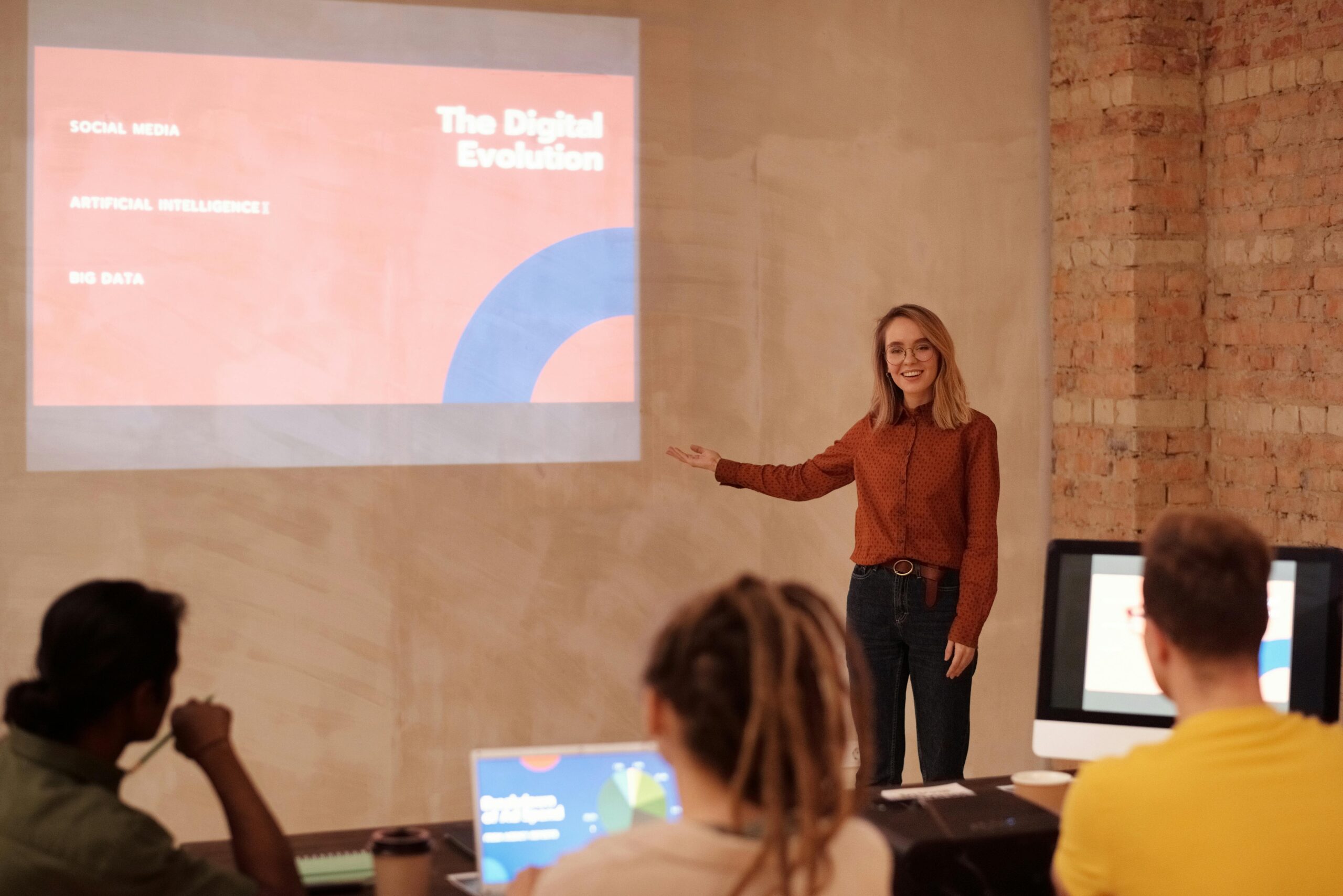
Technology is no longer moving forward at a steady pace—it is accelerating. Every day, new tools, platforms, updates, and innovations quietly reshape how we work, communicate, learn, and make decisions. From artificial intelligence and automation to smart devices and digital platforms, technology is influencing every part of modern life. In this fast-moving environment, staying updated with new technology is not just useful—it has become essential for growth and survival.
People who stay updated don’t just adapt to change; they benefit from it.
Those who ignore technological progress often find themselves struggling to catch up later, feeling overwhelmed and left behind.
The challenge today is not the lack of information. It is the overload of information. Knowing how to stay updated without confusion, stress, or burnout is the real skill.
Why Staying Updated With Technology Matters More Than Ever
In the past, learning a single skill could last an entire career. Today, skills expire quickly. Technology continuously changes job roles, business models, and even personal habits. Tools that were considered advanced just a few years ago are now basic expectations.
Technology no longer supports careers—it shapes them.
Those who stay updated are more confident, adaptable, and prepared for opportunities. They understand changes before they become mandatory and adjust their mindset early. This proactive approach often leads to better career growth, improved productivity, and stronger decision-making.
Staying updated is not about being an expert in everything; it is about staying flexible in a world that never stops evolving.
Accept That You Don’t Need to Know Everything
One of the biggest reasons people give up on staying updated is the belief that they must learn everything. This mindset creates pressure and confusion. The truth is much simpler.
You do not need to know every new technology—you only need to understand what matters to you.
Technology should be filtered through relevance. When learning is aligned with your career, interests, or daily needs, it becomes meaningful instead of overwhelming. By focusing on useful and impactful innovations rather than every trending topic, learning becomes manageable and enjoyable.
Clarity is more powerful than curiosity without direction.
Build a Simple Daily Habit Around Technology Awareness
Staying updated does not require long study sessions or complex routines. What matters is consistency. A small daily habit can keep you informed without disrupting your schedule.
Even a few focused minutes every day can keep you ahead of major changes.
By regularly exposing yourself to technology updates—whether through articles, short videos, or summaries—you build familiarity over time. This gradual exposure helps you understand trends naturally, without forcing intense learning sessions.
Consistency turns information into understanding.
Choose Reliable Sources Over Endless Scrolling
Not all information is useful. Social media and random blogs often exaggerate trends or create unnecessary hype. Following unreliable sources can leave you confused instead of informed.
The quality of information you consume matters more than the quantity.
Reliable technology sources explain not just what is new, but why it matters and how it affects real people and industries. They focus on practical impact rather than dramatic headlines.
Staying updated is about insight, not noise.
Let Curated Content Work for You
Curated content, such as newsletters or summarized updates, is one of the smartest ways to stay informed. These sources filter out unnecessary details and deliver only what’s important.
Curated learning saves time and reduces mental overload.
When experts summarize trends and explain them in simple language, you gain understanding without spending hours researching. This approach allows you to stay informed while focusing on your primary work or goals.
Smart learning is selective learning.
Use Videos to Understand, Not Just Follow
Videos are powerful learning tools when used correctly. Short explainers help you understand new technologies visually and conceptually.
Understanding should always come before mastery.
Watching explainers gives you context—what the technology does, why it exists, and where it is used. Once you understand the purpose, deciding whether to explore deeper becomes easier.
Learning becomes effective when it starts with clarity.
Hands-On Experience Makes Technology Real
Reading and watching can only take you so far. True understanding comes from experience.
Using technology is the fastest way to understand it.
Trying new tools, experimenting with features, or exploring demo versions allows you to learn naturally. Even simple interaction builds confidence and reduces fear of change.
Experience transforms information into skill.
Learn Through Conversations and Communities
Technology makes more sense when discussed with others. Conversations often explain concepts more clearly than articles or tutorials.
Learning becomes deeper when it is shared.
By engaging with communities—online or offline—you hear real experiences, challenges, and solutions. This human perspective helps you understand how technology works in real-life situations.
Community turns learning into understanding.
Connect Technology to Real Problems
Technology should always be viewed through the lens of problem-solving.
Instead of asking “What’s new?”, ask “What problem does this solve?”
This mindset keeps learning practical and relevant. When you connect new technology to real challenges, it becomes easier to remember and apply.
Purpose gives technology meaning.
Embrace Continuous Learning Over One-Time Education
Traditional education often focuses on completion. Technology learning is continuous.
Staying updated is a process, not a one-time goal.
Short courses, guided tutorials, and micro-learning resources are far more effective than long, outdated programs. Learning in small chunks allows you to adapt quickly as technology evolves.
Progress matters more than perfection.
Use AI to Stay Updated With Technology
Modern technology can help you learn about itself. AI tools can summarize trends, explain complex topics, and personalize learning paths.
Using AI to stay updated is a smart advantage, not a shortcut.
AI reduces information overload and helps you focus on what truly matters. When used correctly, it becomes a learning assistant rather than a replacement for thinking.
Technology should support learning, not replace curiosity.
Focus on Long-Term Value, Not Short-Term Hype
Not every trend lasts. Some technologies fade quickly, while others reshape industries.
Longevity matters more than popularity.
Understanding whether a technology solves real problems, integrates with existing systems, and gains widespread adoption helps you avoid wasting time on short-lived trends.
Wise learning looks beyond excitement.
Balance Speed With Depth
Trying to learn everything quickly often leads to shallow understanding.
True confidence comes from understanding, not rushing.
Taking time to understand how a technology fits into the bigger picture protects you from misinformation and unrealistic expectations.
Depth creates clarity.
Reflect and Apply What You Learn
Learning becomes powerful when followed by reflection.
Ask yourself how new technology changes your thinking, work, or habits.
Reflection strengthens memory and helps connect ideas. When you actively apply what you learn, technology becomes part of your skillset rather than just information.
Reflection turns knowledge into wisdom.
Share What You Learn to Strengthen Understanding
Explaining concepts to others reinforces your own learning.
Teaching—even informally—builds confidence and clarity.
When you share insights, you identify gaps in understanding and improve communication skills. This process makes learning more permanent.
Sharing transforms learning into mastery.
Accept That Change Is Constant
Technology will never slow down. Accepting this reality removes fear and frustration.
Staying updated is not about control—it is about adaptability.
Those who accept continuous change stay calm and prepared. Those who resist struggle longer.
Adaptability is the most valuable skill of the digital age.
Final Thoughts
Staying updated with new technology is no longer optional—it is a survival skill.
You don’t need to know everything, chase every trend, or become a technical expert. What you need is consistency, curiosity, and clarity.
Technology will keep evolving. The real question is whether you evolve with it.
Those who stay informed today build opportunities for tomorrow.
Leave a Reply